
Red Kharkiv: The Influence of Brick Manufacturing on the Architectural Appearance of Kharkiv, 1900-1930
By the end of the 19th century and the beginning of the 20th century, Kharkiv boasted five brick factories within the city limits and 18 in the Kharkiv district. By 1916, the city was home to 19 brick factories, including one producing silicate bricks.
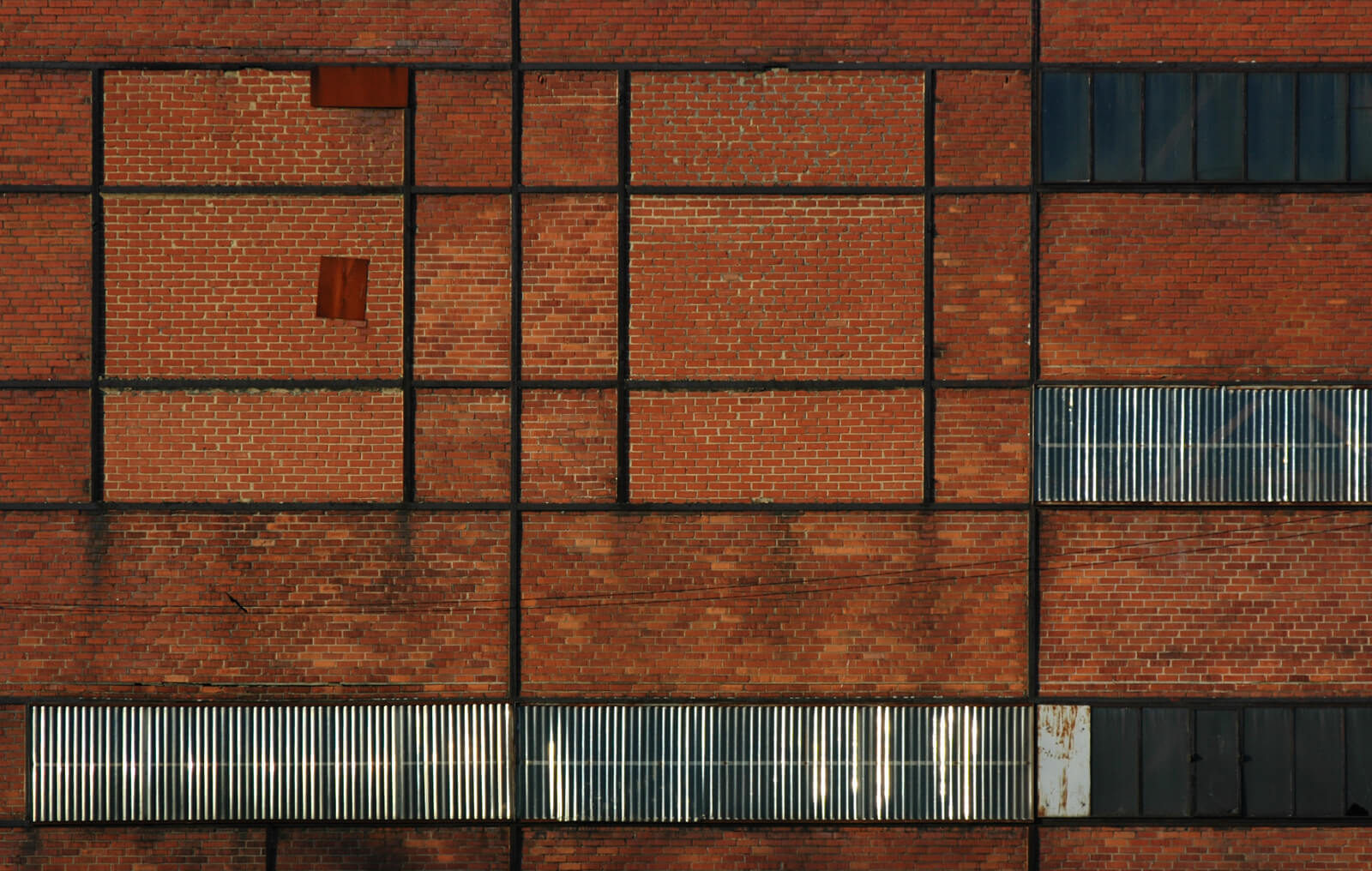
During this period, a specific aesthetic emerged for industrial buildings, with facades crafted from red ceramic bricks featuring decorative masonry elements. This choice in facade material helped reduce costs and shorten construction periods. Building technology involved two stages: the construction of the building’s volume followed by a period of settlement (approximately a year) and facade finishing, which encompassed interior work.
From the early 20th century, this construction technology extended beyond industrial buildings to civil structures. Typically, these included public institutions (institutes, schools, vocational schools) and worker housing, tenements in less prestigious areas of the city, or private residences.
The high quality of the bricks allowed for intricate facade detailing with decorative masonry (left unrendered), often combined with elements of plaster or monolithic concrete and stucco, leaving parts of the masonry exposed.
Most residential buildings in working-class neighborhoods and outskirts were predominantly brick with intricate decorative masonry.
The large volume of high-quality ceramic bricks produced, along with the established aesthetic of industrial structures, influenced the architecture of public institutions and residential buildings. The brick style emerged as an independent architectural trend during the modernist era.
After the events of 1917-1918, with Kharkiv becoming the capital of Soviet Ukraine from 1919, massive construction projects commenced in the 1920s. New residential quarters were rapidly erected in areas such as Zagospromye, Krasny Luch, and the social city “New Kharkiv.” The city retained a robust industrial base inherited from the capitalist era, which continued to develop, including the operation of brick factories. Although the quality of bricks produced post-revolution was slightly inferior, it still allowed for the continuation of construction methods established in the previous era, such as leaving facades unrendered. The skill of masons remained at a high level, as seen in the architectural experimentation of the period.
During the 1920s and 1930s, Kharkiv saw the implementation of various unique architectural ideas, including attempts to create a new style through intricate facade detailing (decorative masonry). These buildings resembled those of the preceding era but featured distinctive characteristics, particularly evident in the form and dimensions of window openings. Unlike pre-revolutionary logic, where lower-class buildings had smaller windows and less glazing, residential buildings of this period had larger glazed areas and wider window openings.
Thus, Soviet Kharkiv of the 1920s-1930s exhibited a distinct color palette – gray-white-red – with red prominently featured.
Reflecting on the legacy of two adjacent construction periods, several conclusions can be drawn:
- The robust production of red ceramic bricks and the aesthetic of industrial architecture contributed to the formation of a distinct architectural style known as the brick style/modern, observable in the architecture of 1900-1917.
- This factor also influenced the architectural appearance of Soviet Kharkiv in the 1920s-1930s.
- The brick style persisted beyond the advent of a new construction period and continued to evolve as experimental architecture, meeting economic demands.
- Continuity in architecture, technology, and production can be observed. Architecture of the 1920s-1930s utilized the available potential inherited from the capitalist period and further developed it in two directions: constructivism and experimental architecture (brick style).